Better poop.
Through science.

What makes your gut tick, what your poop can tell you, and what researchers are learning. Digestive biology in plain language, from everyday bathroom questions to new research.

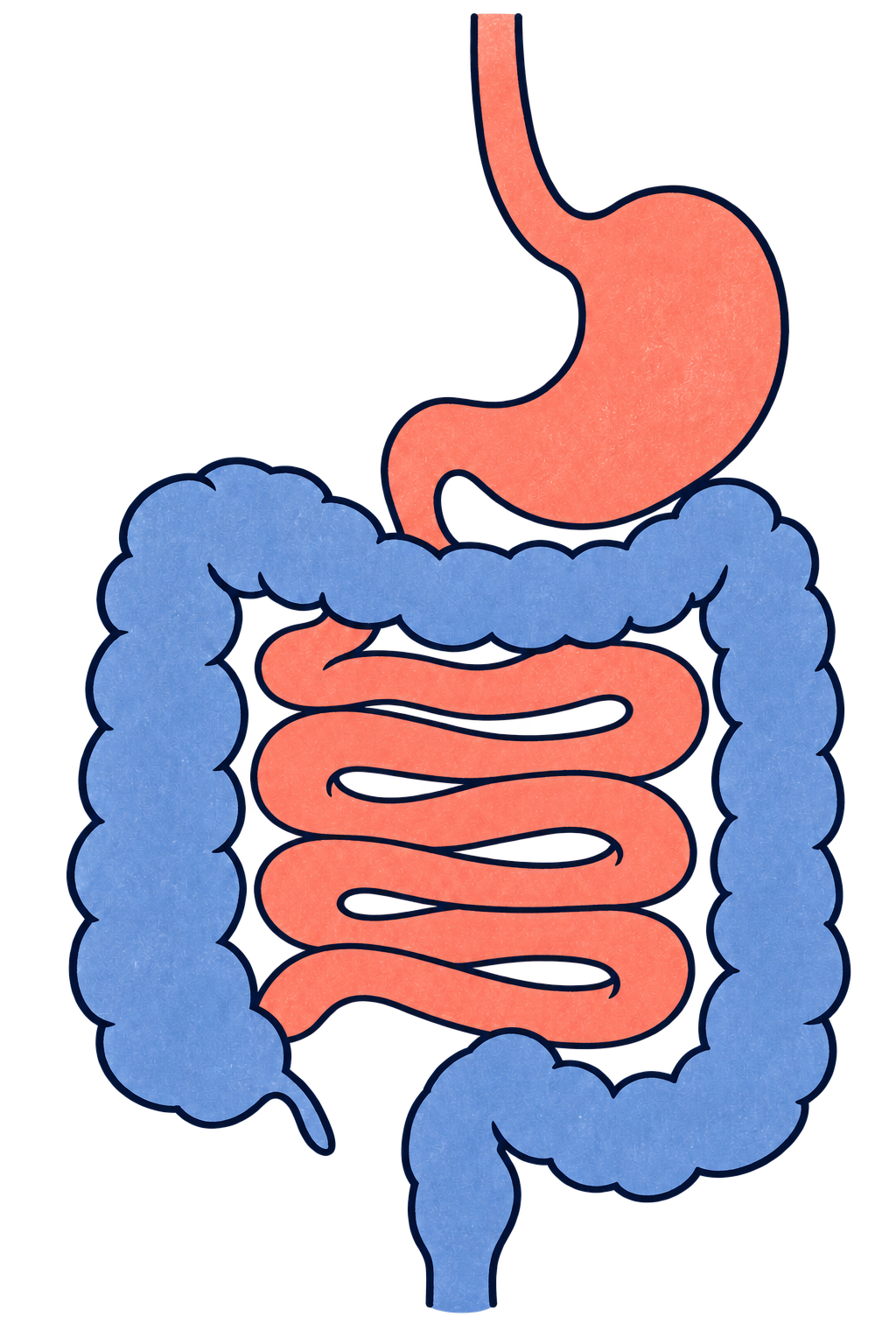
Simplified illustration of the stomach, small intestine, colon, and rectum.

Your gut is doing a lot.

Muscles move the meal

Waves of muscle contractions, called peristalsis, push food through the digestive tract. Digestion is a moving process, not just a stomach doing all the work.

Water shapes the result

Your small intestine absorbs nutrients. Your large intestine absorbs more water and turns the remaining material into stool. How that process unfolds helps explain changes in texture.

Microbes join in

The gut microbiome is the community of microorganisms living in your digestive tract. Bacteria help break down remaining nutrients; nerves and hormones help coordinate the whole system.

Explore the biology at NIDDK ↗

Okay, but is this normal?

For general adult health education, not medical advice. Read our disclaimer.

01How often should I poop?

There isn't one perfect schedule. Several times a day to a few times a week can be normal for adults. Your gut's pace depends on what and how much you eat, activity, medications, stress, and your usual routine. You don't need to make yourself go every morning just because someone else does.

Frequency is only part of the picture. Stool consistency, straining, and whether you feel you've emptied your bowels matter too. Going every day doesn't rule out constipation if stools are hard or difficult to pass.

If you're unsure whether your pattern has changed, a brief record of bathroom trips, stool consistency, and discomfort can make the change easier to spot. Compare it with your own usual routine rather than someone else's schedule.

When to get advice

Speak with a clinician about a lasting change from your usual pattern. Blood or significant abdominal pain needs attention sooner; don't wait for a change to reach a particular number of days.

02Why does my poop sometimes float?

Extra gas can make stool float. Floating on its own usually isn't a sign of illness. A change in what you eat can change how much gas ends up in your stool. Trapped gas makes it less dense, so it can stay at the surface. Most floating stools aren't caused by excess fat.

Occasional floating and repeatedly greasy stool are different observations. Greasy, unusually foul-smelling stool that keeps floating can sometimes be associated with problems absorbing nutrients, particularly with unintended weight loss.

Notice whether this started after a diet change and whether the stool is otherwise similar to usual. Floating, color, smell, and consistency are separate clues; a single floating bowel movement can't identify a cause.

When to get advice

Discuss persistent changes with a clinician. Greasy stools with unintended weight loss deserve evaluation; blood with dizziness or fever needs prompt medical attention.

03Why does it smell worse on some days?

Stool normally has an unpleasant smell, and changes in what you eat can alter it. An occasional stronger odor doesn't identify a health problem. Infections and conditions that affect digestion or nutrient absorption can also cause unusually foul-smelling stool. Smell alone can't tell you which explanation applies.

Look at the whole pattern: has the consistency or color changed too, or is the smell the only difference? A brief change after different foods is a different pattern from an unusual odor that persists alongside diarrhea or greasy stools.

Noting when it started and what else changed can be more useful than trying to rate how bad it smells. There isn't a smell test you can use at home to identify a specific condition.

When to get advice

Contact a healthcare professional about a persistent unusual odor, especially with abdominal pain, fever, blood, or unintended weight loss. Black or tarry stool needs prompt medical attention.

04What do different poop colors mean?

Brown and green can both be typical. Color reflects food, medicines, and bile, as well as how stool moves through your gut. Bile is a yellow-green digestive fluid. Its pigments change as they pass through your intestines, contributing to stool's brown color. Faster movement, such as during diarrhea, can leave it greener.

Leafy vegetables and food coloring can also cause green stool. Beets may make it red; iron or bismuth medicines can turn it black. Pale or clay-colored stool can reflect a lack of bile, while repeated yellow, greasy stool may suggest excess fat.

When to get advice

Bright red or black, tarry stool can indicate bleeding: seek medical attention promptly. A possible food or medicine explanation shouldn't be used to dismiss suspected blood. Pale or recurring greasy stools also warrant medical advice.

05Why does coffee make me need to poop?

Your bowels move stool along through muscle contractions. Coffee can stimulate digestive signals that increase movement in your colon, so the urge may arrive soon after you drink it. Caffeine plays a role, but decaf can have an effect too, suggesting other coffee compounds also contribute.

The response varies. Some people notice a reliable morning urge, while others feel little effect. The timing can overlap with your gut's natural response to eating or drinking, called the gastrocolic reflex.

What you add may matter too. Milk or cream can cause symptoms in people who have difficulty digesting lactose. Notice whether the bathroom rush follows plain coffee or a particular addition. Coffee isn't a necessary or suitable constipation remedy for everyone.

When to get advice

Repeated diarrhea, cramps, or disruptive urgency deserves attention. Discuss persistent symptoms with a healthcare professional rather than assuming coffee explains everything.

06Is it bad to hold it in?

Regularly ignoring the urge can contribute to constipation. Your colon absorbs water from stool, and delaying a bowel movement can leave it harder to pass.

Try to allow an unhurried bathroom break when you feel the urge. Some people find a regular opportunity after breakfast helpful because eating stimulates the colon. This is an opportunity to go, not a deadline you have to meet.

Give yourself time to relax, but avoid forcing a bowel movement that isn't ready. Making room for bathroom breaks in your routine can help you respond to the urge rather than repeatedly putting it off.

When to get advice

Seek advice if constipation persists. Constipation with constant abdominal pain, vomiting, an inability to pass gas, or blood in stool needs prompt medical attention.

07Why do I sometimes see food in my poop?

Recognizable pieces are often fibrous plant material that hasn't fully broken down during digestion. Seeing a piece of food doesn't, on its own, mean your body failed to absorb the nutrients from the entire meal. The visible fragment is only one part of what you ate.

Eating quickly or not chewing well can also make food fragments more noticeable. Taking time to chew is a simple place to start. A visible fragment alone doesn't establish that a food is causing a problem.

The useful question is whether there are other changes. A few fragments with otherwise usual bowel habits are different from fragments appearing alongside lasting diarrhea, weight loss, or a broader change in how you feel.

When to get advice

If this comes with ongoing diarrhea, unintended weight loss, or other changes in bowel habits, speak with a healthcare professional. Those symptoms deserve evaluation rather than a guess based on visible food.

08Is it normal to poop right after eating?

It can be. Eating can trigger your colon to move stool that's already there. This is the gastrocolic reflex. As your stomach stretches to receive a meal, nerves and digestive signals tell the colon to move its contents along. The poop you pass soon afterward is from earlier meals; your lunch hasn't traveled through your whole digestive system in minutes.

People feel this reflex differently. You may notice it within minutes or later, and a bowel movement doesn't always follow immediately. Meal size and composition can affect the response; larger meals and some richer foods may stimulate stronger contractions.

Notice whether it happens after most meals or particular ones, and whether the result is a usual bowel movement or loose stool. An after-meal urge is a reflex, not proof that the food you just ate went straight through you. It also doesn't establish a diagnosis such as IBS.

When to get advice

Frequent diarrhea, continuing pain, weight loss, or urgency that disrupts your daily life should be assessed. Blood or severe pain needs prompt medical attention.

09Can I be constipated even if I poop every day?

Yes. Constipation can involve hard stool, painful or difficult bowel movements, or a feeling that you haven't fully emptied your bowels, even when you go regularly. Fewer than three bowel movements a week is one possible feature, but it's not the only one. Daily trips with repeated straining or hard, lumpy stool can still be a problem.

For uncomplicated constipation, general self-care includes getting enough fiber, drinking adequate fluids, regular activity, and responding to the urge to go. Add fiber gradually. Foods such as oats, beans, lentils, fruits, and vegetables are common sources.

Medicines and supplements can contribute too, so diet isn't always the whole explanation. Pay attention to whether a change began around a new medicine, supplement, or routine. Constipation can also involve how well the muscles used to pass stool work together.

When to get advice

Constipation that doesn't improve deserves medical advice. Talk with a clinician before changing medicines or supplements, or if you need help choosing a laxative. Seek help promptly for blood, constant abdominal pain, vomiting, or an inability to pass gas. Unexplained weight loss also needs evaluation.

10When does diarrhea need medical attention?

Diarrhea generally means loose, watery stools three or more times a day, or more often than normal for you. Infections, food poisoning, medicines, and food intolerances are among the possible causes. The number of trips alone doesn't explain the cause; duration, stool consistency, and other symptoms matter too.

You lose fluid and electrolytes through watery stool. Drink fluids; an oral rehydration solution can help replace these losses. Dry mouth, unusual thirst, reduced urination, dark urine, or dizziness can be signs of dehydration.

Keeping track of when it started and roughly how many loose stools you're having helps you follow the course of the episode. Hydration matters throughout, even if you're eating less than usual.

When to get advice

Adults should contact a doctor promptly for diarrhea lasting more than two days, six or more loose stools a day, high fever, frequent vomiting, severe pain, blood or black stools, or dehydration symptoms. Pregnant adults, those over 65, people taking antibiotics, and people with weakened immune systems should stay in touch with their doctor. If you have diabetes, kidney disease, or another health condition that affects fluid intake, ask your clinician about suitable rehydration fluids and amounts. Children need different guidance; contact their clinician early.

11Is mucus in my poop normal?

Your intestines make mucus to keep the colon's lining moist and lubricated. A small amount in stool can be normal and may appear as a jellylike material.

An increased amount has several possible explanations. Larger amounts with diarrhea can occur with intestinal infections; mucus with blood or abdominal pain can occur with more serious conditions. Appearance alone can't identify the cause.

The useful distinction is a small amount occasionally versus a new or recurring increase. Notice whether your usual stool consistency and bathroom routine have changed too. Mucus by itself doesn't prove you have IBS or an inflammatory bowel disease.

When to get advice

Talk to a healthcare professional about new or recurring increased mucus. Blood or significant pain should be assessed promptly. Don't assume mucus proves you have IBS or an inflammatory bowel disease.

12What if I see blood on the toilet paper or in my poop?

Hemorrhoids can cause bright red blood on stool, toilet paper, or in the bowl. Other conditions can also cause bleeding, so a familiar-looking spot of blood doesn't establish that hemorrhoids are responsible. Even a small amount can't be diagnosed from its appearance alone.

Bleeding higher in the digestive tract may produce black, tarry stool. Iron and bismuth medicines can also darken stool, and red foods can change its color. Those possible explanations don't rule out bleeding.

Where you notice it is a useful detail: on the paper, coating the stool, or mixed into it. Color and location describe what happened, but don't reliably tell you the source or how serious it is.

When to get advice

Seek prompt medical care for blood or black, tarry stool. Bleeding with fainting, dizziness, confusion, or marked weakness can signal a serious problem; seek emergency care. Don't wait to see if changing your diet fixes suspected bleeding.

13Should I push harder or sit longer if I can't go?

Repeated straining and spending long periods on the toilet can contribute to hemorrhoids. Forcing hard or difficult stool adds pressure around the anus and rectum. If a bowel movement isn't ready, try again when you feel the urge instead of staying on the toilet waiting for it.

Allow an unhurried break and give your muscles a chance to relax. A footstool may make the position more comfortable and help some people pass stool more easily. It isn't a guaranteed fix, and pushing harder doesn't solve every cause of difficulty going.

Passing stool involves coordination: muscles move it forward while others relax to let it out. Trouble with that coordination can contribute to constipation, alongside hard stool. The feeling of incomplete emptying can occur even after a bowel movement.

When to get advice

Speak with a healthcare professional about recurring difficulty, pain, or symptoms that aren't improving. Rectal bleeding should be checked rather than assumed to be from straining.

14Can stress really change my poop?

Yes. Stress can affect bowel movement patterns and how strongly you feel gut sensations. The brain and digestive system exchange signals through nerves and hormones. This communication helps regulate gut movement and digestion. Stress can speed things up or slow them down, and can make discomfort feel more intense.

That doesn't make the symptoms imaginary. It also doesn't mean stress is necessarily the whole explanation for a new symptom. Food, medicines, infections, and other conditions can affect bowel habits too.

A brief record of stressful periods and bowel changes may reveal a pattern, though timing alone doesn't prove a cause. Relaxation practices, such as listening to restful music or relaxing muscle groups in turn, can help manage stress. They aren't a guaranteed fix for digestive symptoms.

When to get advice

Don't attribute blood, unexplained weight loss, severe pain, or persistent bowel changes to stress without getting medical advice. Seek help if symptoms keep disrupting your life.

14 questions.

Gut research worth watching.

Three recent studies exploring how food and gut microbes work together. The interesting part is both what they found and what they haven't proved.

Human randomized trials · January 2026

Oats, microbes, and cholesterol

Two small trials assigned 68 adults with metabolic syndrome—a cluster of risk factors such as high blood pressure and abnormal blood fats—to oat diets or comparison diets. A two-day, high-oat diet lowered LDL cholesterol, while the six-week, moderate-oat diet did not show the same cholesterol benefit. Changes in compounds made from oats by gut microbes suggest a possible part of the explanation.

Why it's interesting: researchers are moving beyond asking which bacteria are present to asking what those bacteria make from our food.

What remains uncertain: these were small, specific groups, and the microbial mechanism isn't fully established. Cholesterol changes don't demonstrate better bowel habits. This isn't a reason to copy an intensive oat diet.

Read the open-access study · Nature Communications ↗

Human randomized trial · December 2025

Could fiber advice become more personal?

In a six-month trial, 802 people with prediabetes received either a fiber supplement intervention or usual-care advice. There was no statistically significant difference in the main blood-sugar outcome, HbA1c, between the groups overall. Analyses performed afterward found improvements in some subgroups and used microbiome patterns to predict who might benefit.

Why it's interesting: the same fiber intervention may have different effects depending on the person and their gut microbes.

What remains uncertain: findings from subgroups identified after a trial are less conclusive than its planned main result. This doesn't establish a routine stool test for choosing your diet, and it studied blood-sugar control rather than constipation.

Read the open-access study · Nature Communications ↗

Human data, lab work, and mice · December 2025

Your microbes help process plant compounds

Researchers combined gut-microbiome data with biochemical databases to map how bacteria could transform hundreds of plant compounds, sometimes called phytonutrients. Human data linked these microbial capabilities with health patterns. Lab and mouse experiments explored parts of the biology, including how microbes altered the effects of strawberries.

Why it's interesting: food's effects may depend partly on what our microbes do with it, not only the nutrients listed on the packet.

What remains uncertain: predicted microbial abilities and human associations don't prove cause and effect. Mouse results don't establish a treatment for people. This points to future experiments, not a proven food or probiotic prescription.

Read the study · Nature Microbiology ↗

A useful gut-science habit: ask whether a finding comes from people, animals, or a lab—and whether it changed symptoms or only a biological marker. Promising research and established care are different stages of evidence.

When to get
medical help

Speak with a healthcare professional if you’re concerned about a change or symptom. Some symptoms need prompt care.

Get medical help promptly

Blood in your stool, black or tarry stools, severe or constant abdominal pain, or constipation with vomiting or an inability to pass gas need prompt medical attention. If bleeding comes with dizziness or faintness, seek emergency care. Diarrhea with dehydration signs such as reduced urination or dizziness also needs prompt medical advice.

Book a conversation with a clinician

Lasting changes in your bowel habits, unexplained weight loss, recurring greasy or pale stools, or symptoms that keep disrupting your day are worth discussing. Adults with diarrhea lasting more than two days should contact a doctor promptly.

About
Poop Science

Poop is the end result of muscle movement, water absorption, microbial activity, and a busy network of signals. We made Poop Science to explain that biology and make everyday gut questions easier to explore.

Our everyday answers draw on NIDDK, MedlinePlus, Mayo Clinic, and Cleveland Clinic. Our research notes link to original papers and separate findings from interpretations and open questions. We favor clear explanations and questions that can be answered with evidence.

A note about medical advice

Poop Science provides general educational information for adults. It is not medical advice and does not replace professional diagnosis, treatment, or advice from your doctor or another qualified healthcare professional. Consult a healthcare professional about your symptoms or any health decisions. Never ignore medical advice or delay getting care because of something you read here. For a medical emergency, call your local emergency number.

The explanations have been checked against the linked sources but have not been independently reviewed by a medical professional. Information can change and may not apply to your circumstances. Research summaries describe selected studies, not established treatment recommendations. References are provided for further reading and do not imply endorsement of Poop Science by the source organizations.